What Are Peptides?
Peptides are short chains of amino acids — typically between 2 and 50 — linked by peptide bonds. They are essentially smaller versions of proteins. While proteins can contain hundreds or thousands of amino acids, peptides are compact signaling molecules that the body uses to trigger specific biological responses. Every cell in your body produces and responds to peptides. They act as molecular messengers, instructing cells to perform functions like tissue repair, immune defense, hormone regulation, and metabolic control. When scientists synthesize peptides in the laboratory, they create exact copies of these natural signals.
How Do Peptides Work?
Peptides function by binding to specific receptors on cell surfaces, much like a key fitting into a lock. When a peptide binds to its target receptor, it initiates a cascade of intracellular signals that ultimately produce a biological effect. This is why different peptides have such varied effects — each one targets different receptors and pathways. For example, growth hormone releasing peptides (GHRPs) like Ipamorelin bind to ghrelin receptors in the pituitary gland, signaling it to release growth hormone. BPC-157, on the other hand, promotes the expression of growth factors involved in tissue repair and blood vessel formation.
Peptides vs. Proteins vs. Amino Acids
Amino acids are single molecular building blocks. When two or more amino acids link together via peptide bonds, they form a peptide. Once a chain exceeds approximately 50 amino acids, it is generally classified as a protein. The distinction matters because peptides are small enough to be absorbed efficiently and reach their target receptors rapidly, while being large enough to carry specific biological instructions. This is what makes them valuable tools in research — they offer precision targeting that neither individual amino acids nor large proteins can match.
Categories of Research Peptides
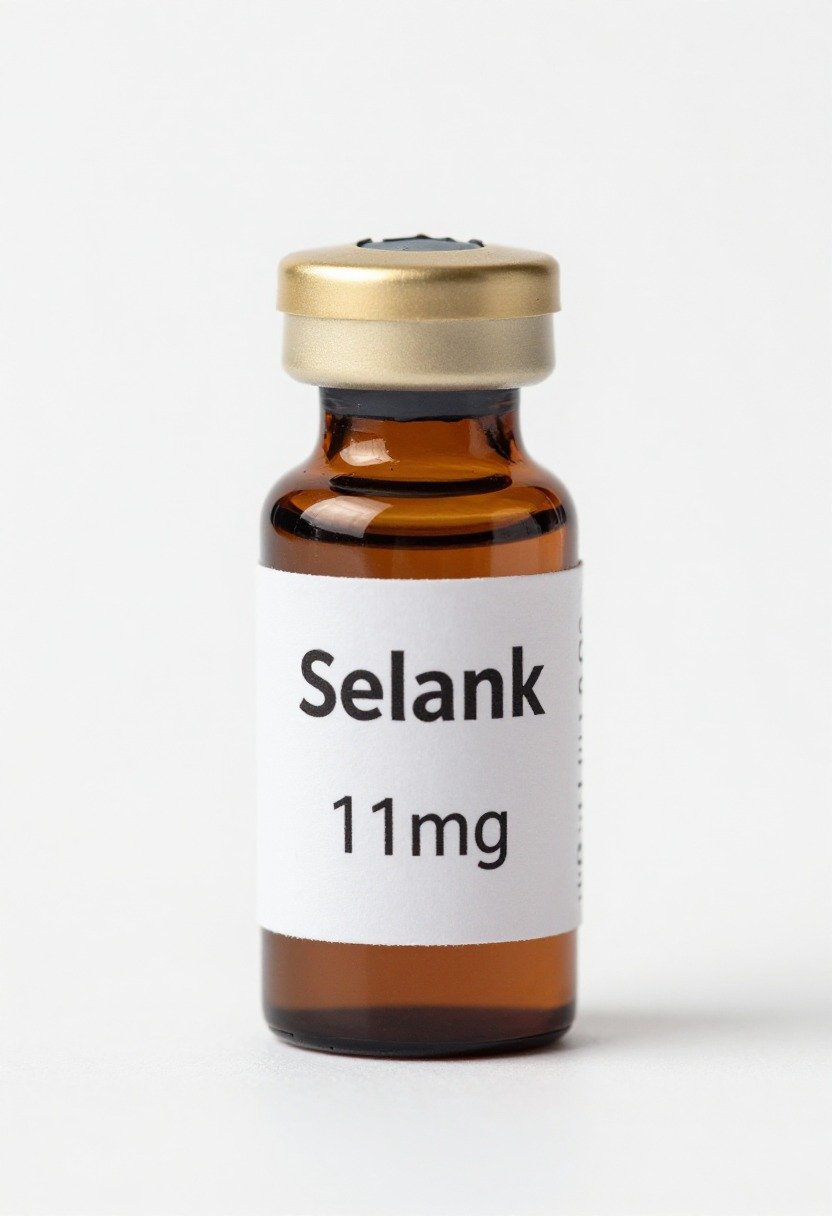
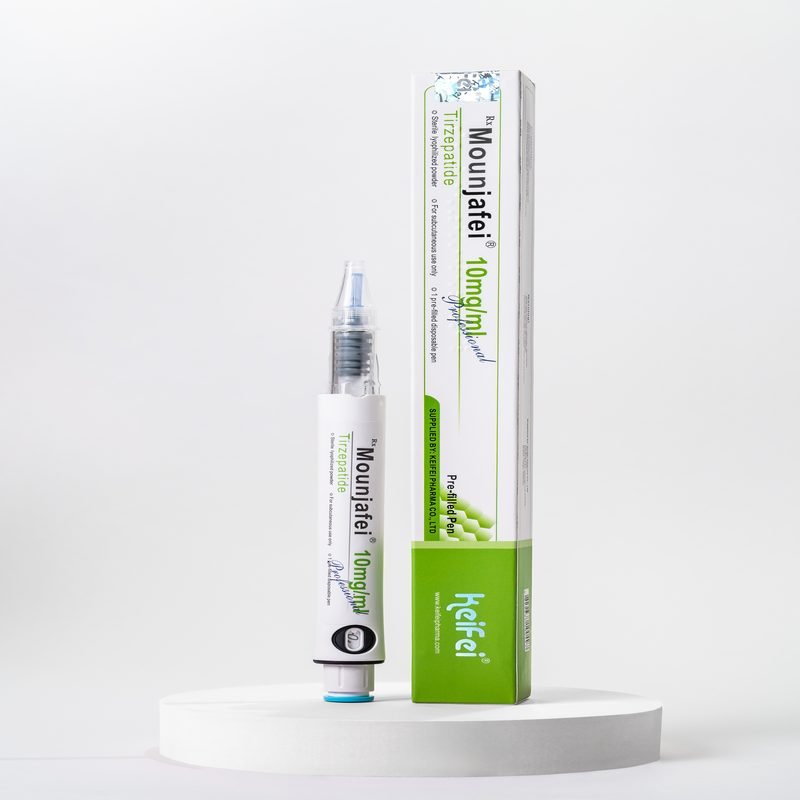
Research peptides are classified by their primary mechanism of action. Healing peptides like BPC-157 and TB-500 support tissue repair and regeneration. Growth hormone secretagogues such as Ipamorelin, CJC-1295, and Sermorelin stimulate natural growth hormone production. Anti-aging peptides including Epithalon and NAD+ target cellular aging mechanisms like telomere maintenance and mitochondrial function. Metabolic peptides like Tirzepatide and AOD-9604 influence energy metabolism and body composition. Nootropic peptides such as Semax and Selank support cognitive function and neuroplasticity.
Peptide Administration Methods
Research peptides are most commonly administered via subcutaneous injection using insulin syringes. This delivers the peptide directly into the tissue beneath the skin, allowing gradual absorption into the bloodstream. Some peptides like Semax and Selank can be administered intranasally. Lyophilized (freeze-dried) peptides must first be reconstituted with bacteriostatic water before use. Proper reconstitution technique is critical for maintaining peptide stability and efficacy.
Storage and Handling
Peptides are delicate molecules that degrade when exposed to heat, light, and bacteria. Unreconstituted lyophilized peptides should be stored at -20°C for long-term storage or 2-8°C (refrigerator) for short-term use. Once reconstituted with bacteriostatic water, peptides should be refrigerated and typically used within 4-6 weeks. Never freeze reconstituted peptides. Always handle with clean technique to prevent contamination.