The UAE Peptide Market in 2026
The UAE has emerged as one of the fastest-growing markets for research peptides in the Middle East. Driven by a health-conscious population, world-class medical research facilities, and a regulatory environment that permits research chemical sales, the demand for high-quality peptides in Dubai, Abu Dhabi, and across the Emirates has grown substantially. However, this growth has also attracted low-quality suppliers, counterfeit products, and companies that lack proper analytical verification — making it essential for researchers to know how to identify a trustworthy supplier.
This guide covers everything you need to know about purchasing research peptides in the UAE: what quality markers to look for, how to read a Certificate of Analysis, the legal framework, delivery options, and how to evaluate a supplier before placing your first order.
What to Look For: Quality Indicators
1. HPLC Purity Testing
High-Performance Liquid Chromatography (HPLC) is the gold standard for verifying peptide purity. It separates the peptide from any impurities, degradation products, or synthesis byproducts, and quantifies the percentage of the desired compound. Look for purity above 98% — premium suppliers like Aura Peptides consistently achieve 99%+ purity. Purity below 95% indicates substandard synthesis or improper handling and should be avoided regardless of price.
2. Certificate of Analysis (CoA)
Every reputable peptide supplier provides a CoA for each batch. A legitimate CoA includes the HPLC chromatogram (the actual graph showing purity separation), mass spectrometry data confirming the correct molecular weight and peptide identity, the batch or lot number linking the certificate to a specific production run, the testing date, and the name and contact information of the testing laboratory. Red flags include CoAs that appear to be generic templates (same format for every product), certificates without chromatograms or mass spec data, and suppliers who claim high purity but cannot produce documentation.
3. Proper Lyophilization and Packaging
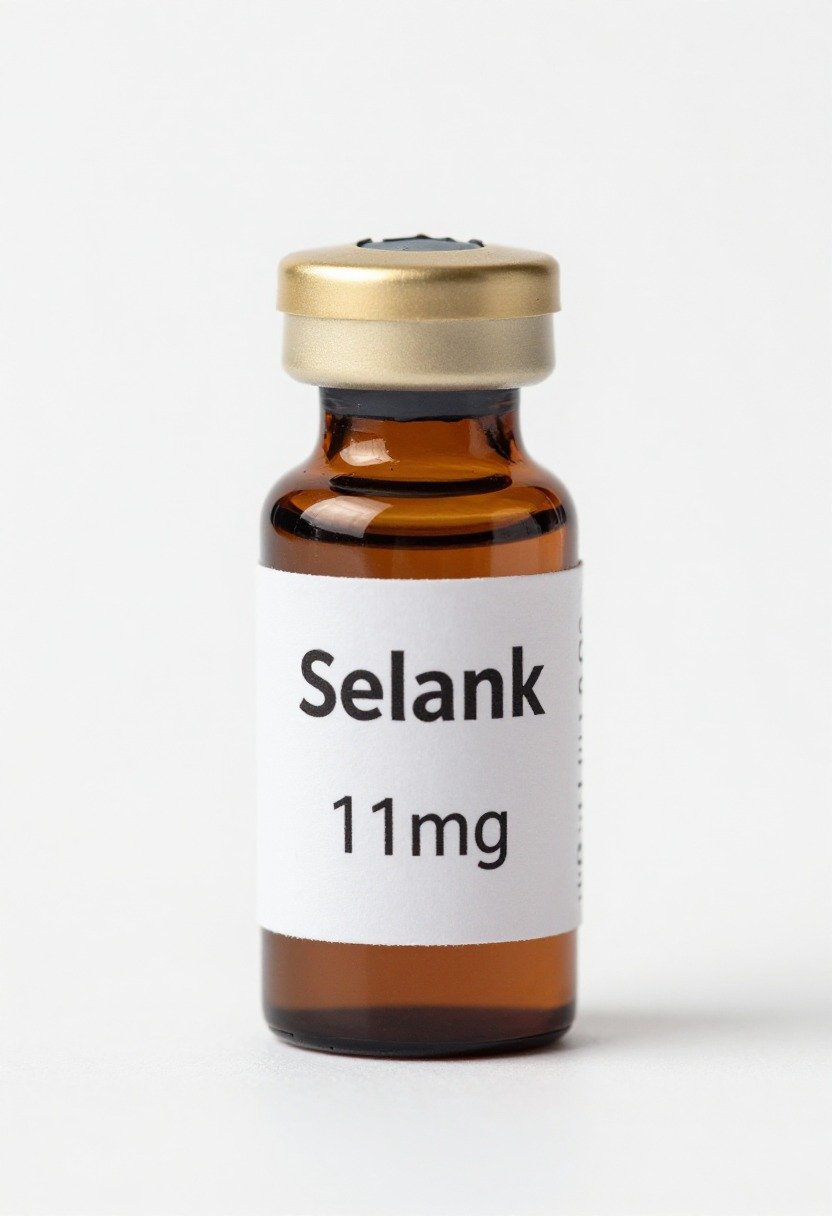
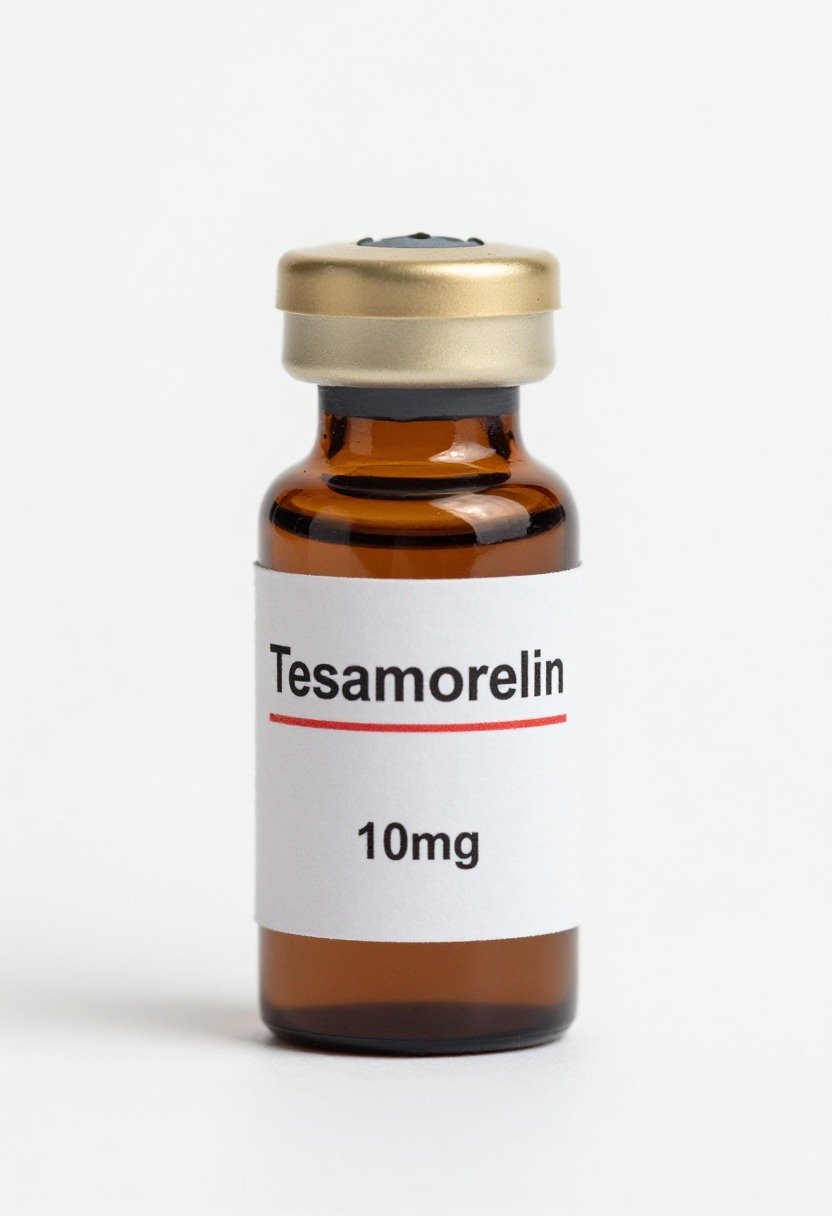
Quality peptides are lyophilized (freeze-dried) into a fine white powder in sealed glass vials with aluminum crimp caps and rubber stoppers. The powder should be a consistent, fine cake or powder — not a wet, clumped, or crystalline mass. The vial should be clearly labeled with the peptide name, quantity (in mg), lot number, and storage instructions. Poorly packaged peptides in plastic containers, unlabeled vials, or with compromised seals indicate a supplier that does not follow Good Manufacturing Practices.
4. Transparent Product Information
A trustworthy supplier provides detailed product information including the full peptide name and sequence, molecular weight, recommended storage conditions, reconstitution instructions, and comprehensive dosing guides. They should be able to answer technical questions about their products knowledgeably and provide references to published research. Suppliers who only list a product name and price without substantive information are not demonstrating the expertise needed to handle sensitive biological compounds.
How Aura Peptides Meets These Standards
- HPLC-verified purity: Every batch undergoes HPLC analysis with certificates available on request. Purity consistently exceeds 99%.
- Mass spectrometry confirmation: Molecular weight verification ensures you receive the correct peptide, not a substitute or degradation product.
- Proper cold-chain handling: Products are stored and shipped according to peptide stability requirements.
- Comprehensive knowledge base: Detailed guides for every product including mechanism of action, dosing protocols, reconstitution math, and published research references.
- UAE-based WhatsApp support: Direct communication with knowledgeable staff at +971 56 562 8081.
- Cash on Delivery: No advance payment required — pay when you receive and inspect your order.
Payment and Delivery in UAE
Cash on Delivery (COD)
Aura Peptides offers COD across all seven Emirates: Dubai, Abu Dhabi, Sharjah, Ajman, Ras Al Khaimah, Fujairah, and Umm Al Quwain. Delivery takes 5-7 working days. You pay in AED when the package arrives at your door. COD eliminates the risk of paying for products that never arrive or do not match their description — a significant advantage when purchasing from a supplier for the first time.
How to Order
- Browse products on peptide-aura.store
- Contact Aura Peptides via WhatsApp at +971 56 562 8081
- Confirm your product selection, quantity, and delivery address
- Receive your order within 5-7 working days
- Pay in AED upon delivery
- Refrigerate peptides immediately upon receipt
Choosing a Supplier: Red Flags to Avoid
- No CoA available. Any supplier that cannot provide batch-specific Certificates of Analysis is not testing their products. Avoid completely.
- Unrealistically low prices. Peptide synthesis is expensive. If a price seems too good to be true, the product likely contains less peptide than stated, has been improperly stored, or is a different compound entirely.
- No cold-chain infrastructure. Suppliers who ship peptides in standard envelopes or without temperature consideration, especially in UAE summer, are not protecting product integrity.
- Vague or missing product descriptions. Legitimate suppliers provide detailed technical information. A product listing with only a name and price suggests insufficient expertise.
- No customer support. A supplier should be reachable and able to answer questions about their products, storage, reconstitution, and dosing. Unresponsive suppliers create risk.
- Pre-mixed or pre-reconstituted products (unless specified). Most research peptides should ship lyophilized. Pre-mixed products have a dramatically shorter shelf life and are more susceptible to degradation during shipping.
- Claims of therapeutic efficacy. Research peptides are not approved drugs. Suppliers making specific health claims ("cures X disease") are violating regulations and demonstrate a disregard for proper classification.
Storage Upon Arrival
The moment you receive your peptides, move them to the refrigerator (2-8 degrees Celsius). In UAE's climate, even brief exposure to ambient summer temperatures can begin degradation, especially for reconstituted products. Lyophilized vials intended for long-term storage can go in the freezer at -20 degrees Celsius. Never leave a delivery sitting in a mailroom, car trunk, or doorstep. For detailed storage guidance specific to the UAE climate, read our Peptide Storage in Hot Climates guide.