Why Peptide Storage Matters More in the UAE
The United Arab Emirates presents unique challenges for peptide storage that researchers in temperate climates never face. With ambient summer temperatures regularly exceeding 45 degrees Celsius (113 degrees Fahrenheit) and humidity levels reaching 90% in coastal cities like Dubai and Abu Dhabi, the degradation pathways that slowly diminish peptide potency elsewhere are dramatically accelerated. Understanding these challenges and implementing proper storage protocols is the difference between peptides that retain full biological activity and expensive compounds that have been silently denatured.
Peptides degrade through four primary chemical pathways, and every one of them is accelerated by heat and moisture: hydrolysis (water breaks peptide bonds), oxidation (methionine, cysteine, and tryptophan residues are damaged by oxygen and light), deamidation (asparagine and glutamine residues are altered by heat and pH extremes), and aggregation (peptide chains clump together due to temperature fluctuations and mechanical stress). In the UAE, these pathways can destroy a reconstituted peptide in hours rather than the weeks it would take in a European laboratory.
Lyophilized vs Reconstituted: Different Heat Tolerances
This is the most important distinction for UAE-based researchers to understand. Lyophilized (freeze-dried) peptides and reconstituted (liquid) peptides have vastly different temperature tolerances.
| Factor | Lyophilized (Dry Powder) | Reconstituted (Liquid) |
|---|---|---|
| Ideal storage | -20 to -80 degrees C (freezer) | 2-8 degrees C (refrigerator) |
| Acceptable short-term | 2-8 degrees C (weeks to months) | 2-8 degrees C ONLY |
| Brief room temp exposure | Generally tolerated (sealed vials) | Dangerous — denatures rapidly |
| UAE summer ambient (45 degrees C+) | Hours tolerated if sealed | Minutes to hours causes damage |
| Primary degradation risk | Moisture ingress > temperature | Temperature > everything else |
| Can be frozen? | Yes (recommended for long-term) | NEVER — ice crystals destroy structure |
| Shelf life | Months to years (if sealed, cold) | 4-6 weeks (refrigerated, with BAC water) |
Critical insight for UAE: A sealed lyophilized vial at 45 degrees Celsius for 48 hours degrades LESS than an unsealed vial exposed to 70% humidity for 24 hours. For dry peptides, moisture barrier integrity matters more than temperature. For reconstituted peptides, temperature is everything — even 30 minutes at UAE summer ambient can cause irreversible denaturation.
Seven UAE-Specific Storage Rules
Rule 1: Refrigerate Everything Immediately Upon Receipt
Do not leave delivered packages sitting in a mail room, doorstep, or car. In UAE summer, a package left in direct sun can reach internal temperatures of 60-70 degrees Celsius within an hour. Open your delivery and move vials to the refrigerator as the very first action. If you cannot receive the package personally, arrange for someone to refrigerate it immediately.
Rule 2: Store in the Main Body of the Refrigerator
The refrigerator door experiences the most temperature fluctuation — every time the door opens, items on the door are briefly exposed to room temperature. Store peptides in the main body of the refrigerator, ideally on a middle shelf toward the back where temperature is most stable. Use an opaque container or wrap vials in aluminum foil to protect from light each time the door opens.
Rule 3: Never Leave Reconstituted Peptides Outside the Fridge
In UAE, this rule has zero flexibility. Draw your dose, immediately return the vial to the refrigerator, and close the door. Do not set the vial on a counter while you prepare an injection site. Do not carry reconstituted vials to a gym or office without proper cooling. The ambient temperature in a UAE kitchen can be 28-35 degrees Celsius even with air conditioning, and a car interior can reach 60+ degrees in minutes.
Rule 4: Use Insulated Transport for All Moves
Any time reconstituted peptides leave the refrigerator — whether moving to a new home, traveling between emirates, or transporting to a research facility — use an insulated cooler bag with gel ice packs. Place the vial in a small ziplock bag (to prevent moisture contact), then nestle it between ice packs. Never place vials directly against frozen ice packs, as this risks localized freezing. Aim to keep transport under 1 hour when possible.
Rule 5: Order Strategically Around Seasons
If purchasing multiple vials of lyophilized peptides, consider bulk ordering during the cooler months (November through March) when shipping temperatures are more forgiving. Summer orders (June through September) should specifically request cold-chain shipping with temperature indicators when available. Store unopened lyophilized vials in the freezer (-20 degrees Celsius) for maximum shelf life — they can last months to years at this temperature.
Rule 6: Check Vial Seals on Arrival
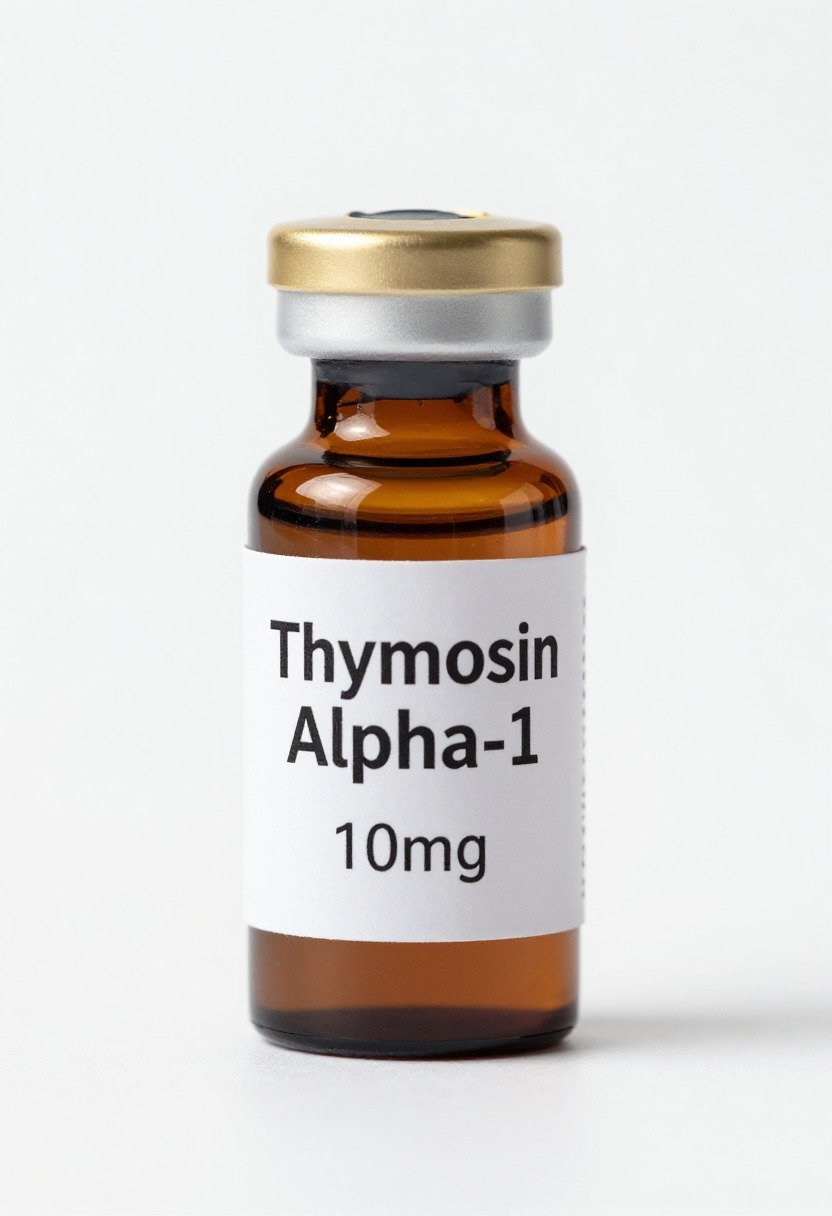
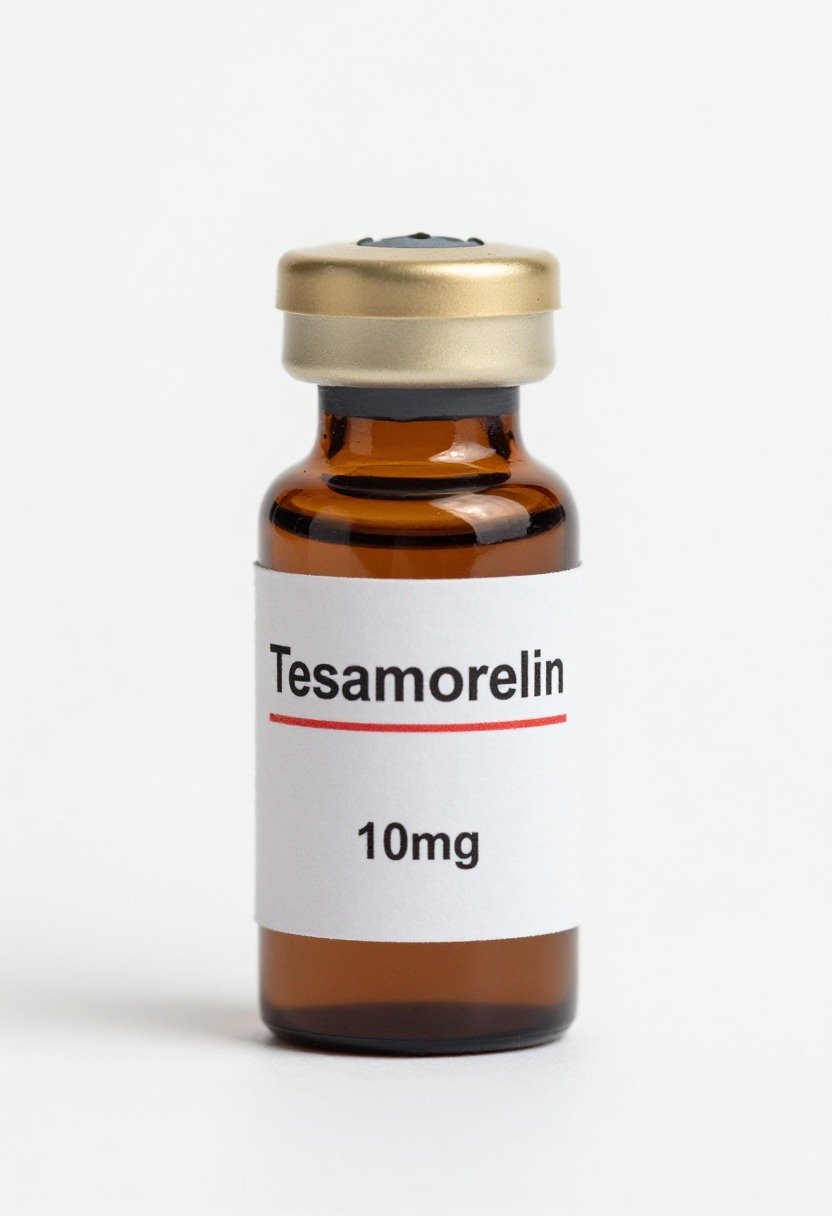
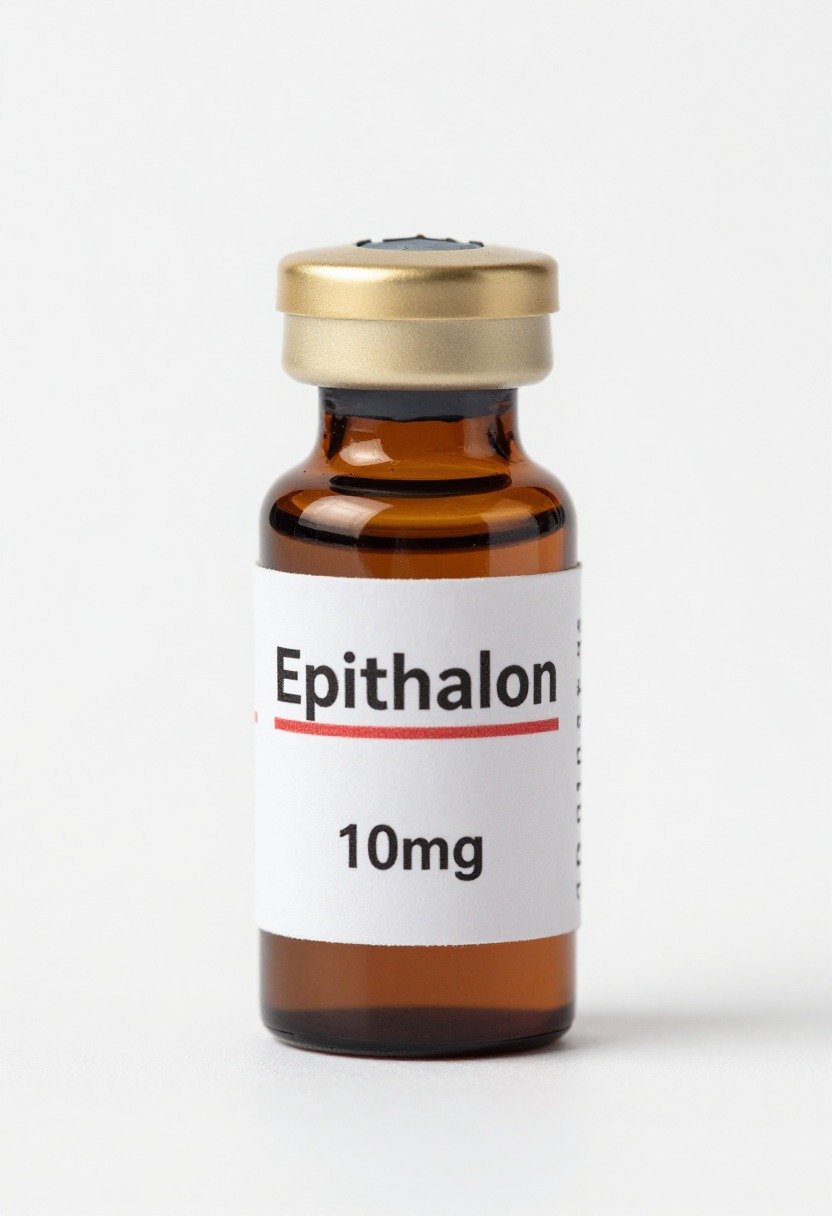
Inspect every vial upon receipt. The rubber stopper should be firmly seated with the aluminum crimp seal intact. Any sign of a compromised seal — loose crimp, damaged stopper, moisture inside the vial (wet or clumped powder) — means the moisture barrier has failed. In UAE's high-humidity environment, a compromised seal allows moisture ingress that can degrade lyophilized peptides faster than temperature exposure.
Rule 7: Monitor Your Refrigerator Temperature
Place a digital thermometer in your refrigerator to verify it maintains 2-8 degrees Celsius consistently. UAE power fluctuations, frequent door opening in large households, and aging appliances can cause temperature drift. If your refrigerator runs warm (above 8 degrees), your reconstituted peptides are degrading faster than expected. Consider a dedicated mini-fridge for peptide storage if your main refrigerator is frequently accessed.
Signs of Peptide Degradation
- Cloudiness or turbidity — Clear solution becoming cloudy indicates protein aggregation. Discard immediately.
- Discoloration — Any yellow, brown, or pink tint indicates oxidation or other chemical degradation.
- Particulates or floaters — Visible particles indicate aggregation or contamination.
- Clumped or wet lyophilized powder — Moisture has entered the vial before reconstitution, likely causing hydrolysis.
- Reduced efficacy — If a previously effective peptide stops producing expected results at the same dose, heat-induced degradation is a likely cause.
- Unusual odor — Most reconstituted peptides should be odorless. Any noticeable smell indicates contamination.
Reconstituted Peptide Shelf Life in UAE
While the standard shelf life for peptides reconstituted with bacteriostatic water is 4-6 weeks refrigerated, UAE conditions may warrant a more conservative approach. If your refrigerator temperature fluctuates above 8 degrees, if you frequently remove vials for dosing (each removal is brief heat exposure), or if your vials have been transported, consider using reconstituted peptides within 3-4 weeks rather than pushing to 6 weeks. When in doubt, reconstitute smaller volumes more frequently rather than reconstituting large volumes that sit for extended periods.
Emergency Power Outage Protocol
UAE occasionally experiences power outages, and during summer this creates an immediate risk to reconstituted peptides. If power goes out, keep the refrigerator door closed — an unopened fridge maintains safe temperature for approximately 4 hours. If the outage exceeds 4 hours, transfer reconstituted peptide vials to a cooler with ice packs. Lyophilized (dry) peptides in sealed vials will tolerate several hours at elevated temperatures with minimal degradation. After power is restored, check reconstituted solutions for any cloudiness or discoloration before continued use.