Detailed Mechanism of Action
Epithalon (also known as Epitalon or Epithalone) is a synthetic tetrapeptide with the amino acid sequence Ala-Glu-Asp-Gly, designed to replicate the biological activity of Epithalamin — a naturally occurring compound produced by the pineal gland. In 2017, researchers confirmed that epithalon exists naturally in the human pineal gland, providing biological context for its mechanism of action. The compound's primary claim to scientific significance is its ability to activate telomerase, the enzyme responsible for maintaining and extending telomeres — the protective caps at the ends of chromosomes that shorten with each cell division and serve as a fundamental biomarker of cellular aging.
At the molecular level, epithalon increases expression of the telomerase catalytic subunit (hTERT), the rate-limiting component of the telomerase enzyme complex. This upregulation enables telomerase enzymatic activity in cells that had previously become telomerase-negative — a hallmark of cellular aging. A 2025 study confirmed that epithalon increases telomere length in human cell lines through either direct telomerase upregulation or stimulation of the ALT (Alternative Lengthening of Telomeres) pathway. Since telomere shortening is directly linked to cellular senescence, DNA damage vulnerability, and age-related disease progression, this mechanism positions epithalon as a compound of significant interest in longevity research.
Beyond telomerase, epithalon exerts important effects on the pineal gland and neuroendocrine system. It upregulates AANAT (arylalkylamine N-acetyltransferase) and pCREB in pinealocytes, directly stimulating melatonin biosynthesis. This effect has been demonstrated in both aged monkeys and humans, restoring melatonin secretion that naturally declines with age. Epithalon also selectively protects aged pinealocytes from degenerative changes, exhibits antioxidant properties at the cellular level, reduces oxidative stress markers, demonstrates antimutagenic effects (reducing both spontaneous and induced mutagenesis), and modulates the hypothalamic-pituitary axis to influence circadian rhythm regulation.
Clinical Evidence
Epithalon's evidence base spans decades of research, primarily from the laboratory of Dr. Vladimir Khavinson at the St. Petersburg Institute of Bioregulation and Gerontology in Russia. In telomere studies using human fetal fibroblast cultures, epithalon significantly upregulated telomerase activity and extended telomere length compared to untreated controls. Clinical studies in patients aged 60-65 and 75-80 demonstrated significantly increased telomere lengths in blood cells following epithalon administration, with efficacy comparable between the synthetic peptide and natural Epithalamin extract.
Longevity studies in rats demonstrated measurable lifespan extension under both constant illumination conditions and northern light regimen conditions. These animal studies also documented geroprotective effects including improved organ function, improved hormonal status, and delayed age-related deterioration across multiple organ systems. While rodent lifespan data does not directly translate to human outcomes, the consistency of results across multiple studies and model systems provides supportive preclinical evidence.
A notable case report documented the administration of epithalon at 5mg subcutaneously for 10 consecutive days in December 2022, January 2023, and June 2023, with documented improvements in biological age markers, telomere length measurements, and cognitive function. While case reports represent the lowest tier of clinical evidence, this report provides proof-of-concept data in a human subject. It should be noted that most published research comes from Khavinson's group, and large-scale independent replication in Western laboratories remains limited — a key consideration when evaluating the evidence base.
Dosing Protocol
Epithalon is administered via subcutaneous injection in cyclical protocols, reflecting its mechanism as a geroprotective compound rather than a continuous therapy. The standard protocol involves daily injections for a defined cycle period, repeated two to three times per year. Three commonly used protocols have emerged from the research literature:
Protocol A: 10mg per day for 10 consecutive days, repeated every 6 months. This is the most concentrated approach and delivers the full cycle dose in the shortest period. Protocol B: 5mg per day for 20 consecutive days, repeated every 4-6 months. This lower daily dose may reduce any injection site discomfort while maintaining the total cycle dose. Protocol C: 10mg every other day for 20 days (10 injections total), repeated 2-3 times per year. This spacing may improve tolerance while still delivering substantial cumulative exposure.
Administration is recommended before bedtime to align with the natural circadian peak in melatonin production, as epithalon's stimulation of melatonin synthesis creates a synergistic effect with the body's own nocturnal melatonin cycle. Subcutaneous injection is the most common research route, though intranasal and sublingual formulations have been discussed in the literature. Inject into abdominal subcutaneous tissue, thigh, or upper arm, rotating sites with each injection. For research purposes only — consult qualified medical professionals for all protocol decisions.
Side Effects & Safety
Epithalon is generally well-tolerated in the available research literature, with no serious adverse events attributed to the compound in published studies. Injection site reactions (mild redness, temporary discomfort) are the most commonly reported side effects, consistent with any subcutaneous injection protocol. Some subjects report transient drowsiness or improved sleep quality, likely related to epithalon's stimulation of melatonin production — this is generally considered a beneficial rather than adverse effect.
The compound's primary safety consideration relates to the quality and completeness of its evidence base rather than identified risks. Most published research originates from a single research group in Russia, and large-scale randomized controlled trials with diverse populations and independent oversight have not been conducted. The mechanism of action — telomerase activation — carries theoretical considerations: while telomere maintenance is generally protective against aging, telomerase activation in cells with existing pre-malignant mutations could theoretically support tumor cell immortalization. No such events have been reported in epithalon research, but this represents a class-level concern for any telomerase-activating compound.
Contraindications are not well-established due to the limited formal clinical trial data, but general peptide precautions apply: avoid during pregnancy and breastfeeding, use caution in individuals with active malignancies (given the telomerase mechanism), and consult healthcare providers before combining with other medications. Individuals with autoimmune conditions affecting the thyroid or endocrine system should seek medical guidance given epithalon's neuroendocrine effects. This product is for research purposes only.
Storage & Reconstitution
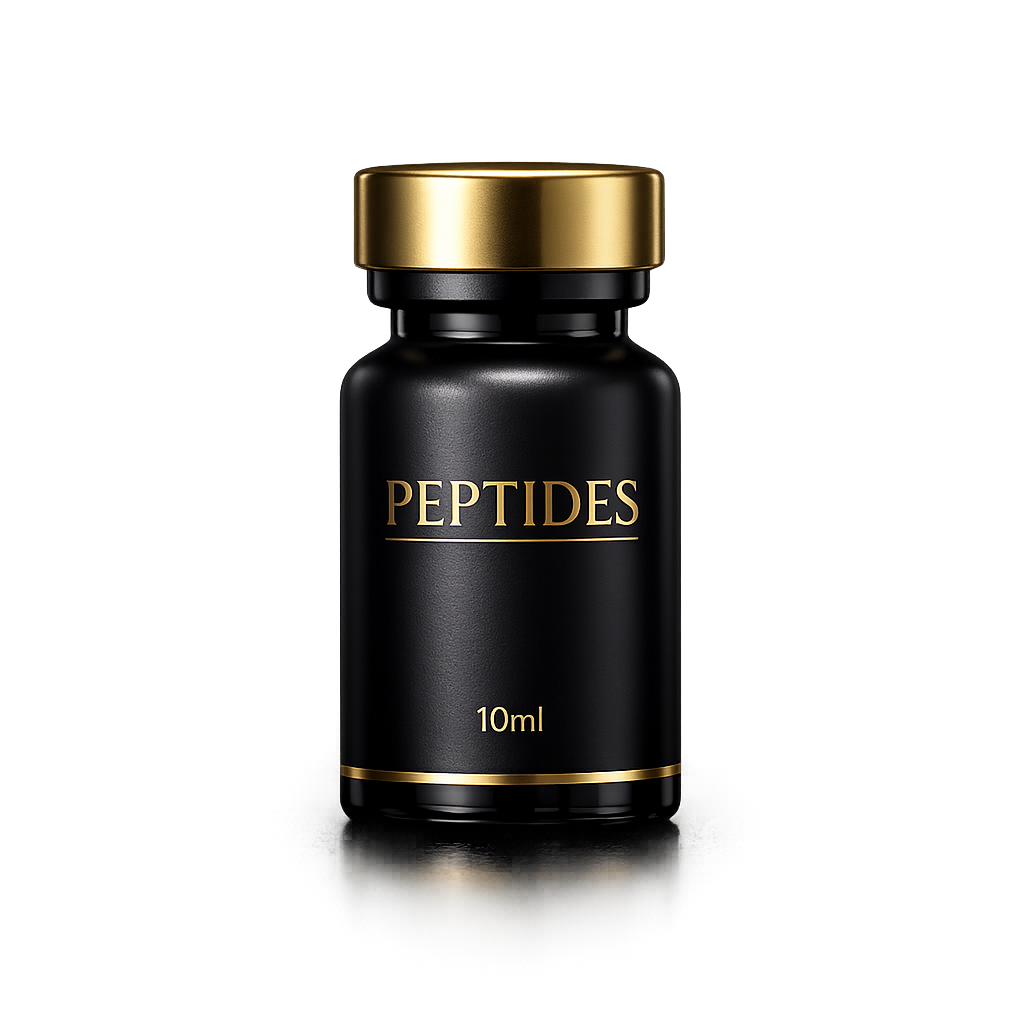
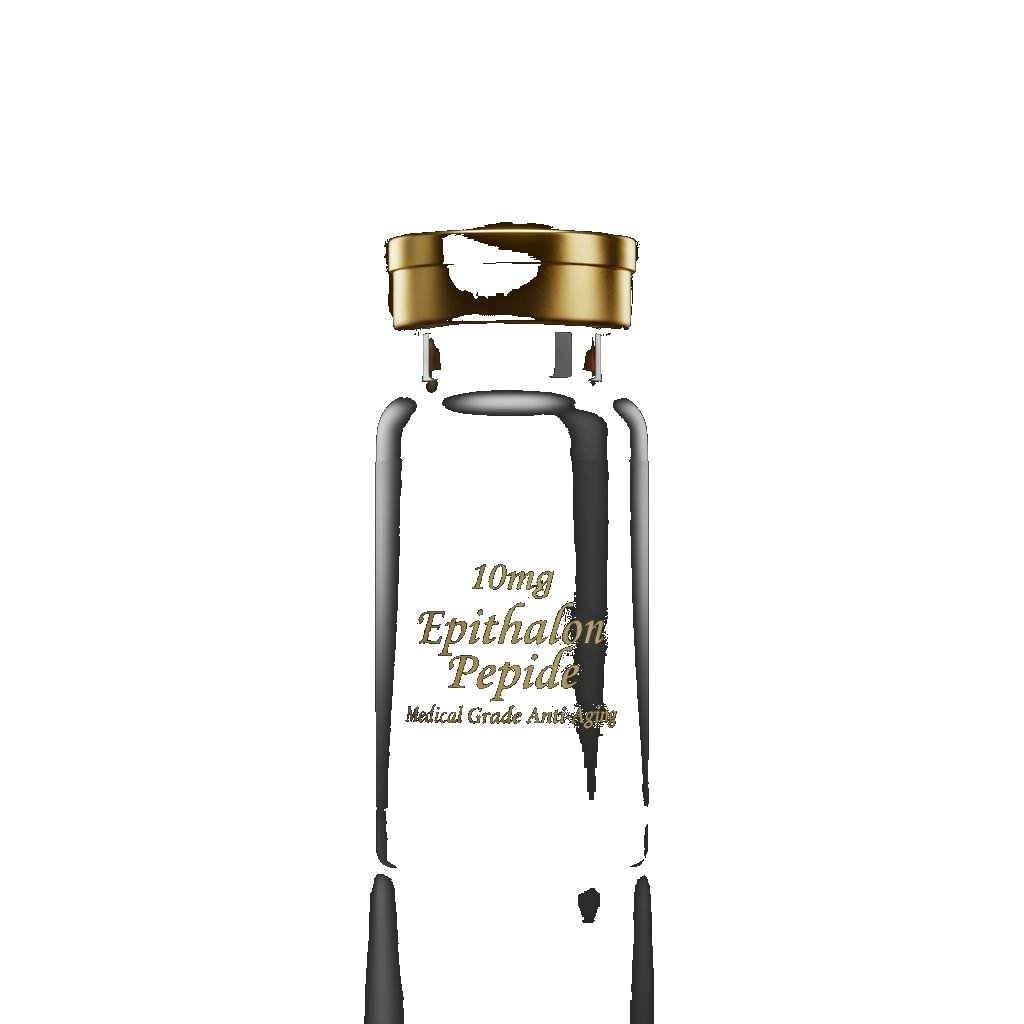
Store the lyophilized Epithalon 10mg vial at 2-8°C (36-46°F) before reconstitution. For long-term storage, -20°C is suitable for sealed vials. The tetrapeptide structure (only 4 amino acids) gives epithalon somewhat greater stability than larger peptides, but standard cold storage precautions still apply. Protect from light and moisture — keep in original packaging until ready for use.
Reconstitute with bacteriostatic water (BAC water containing 0.9% benzyl alcohol). Clean both vial stoppers with alcohol swabs. Draw the desired volume of BAC water using a 21-25 gauge reconstitution needle. For the 10mg vial, adding 1mL of BAC water creates a concentration of 10mg/mL — at a 5mg daily dose, each injection uses 0.5mL (50 units on a U-100 insulin syringe), providing 2 days of supply per vial. Adding 2mL yields 5mg/mL, with each 5mg dose requiring 1mL. Inject BAC water slowly along the vial wall; do not shake. Gently swirl until dissolved.
After reconstitution, store at 2-8°C and use within 28 days. Never freeze reconstituted solution. In the UAE, where ambient summer temperatures regularly exceed 45°C, cold chain management is critical. Reconstituted peptides are highly sensitive to heat — minutes of exposure at extreme temperatures can cause denaturation. Use insulated transport bags with cold packs, verify delivery integrity upon receipt, and maintain continuous refrigeration. Given epithalon's cyclical dosing schedule (10-20 day cycles), plan reconstitution timing to avoid unnecessary storage of open vials.
Frequently Asked Questions
What is Epithalon and how does it work?
Epithalon is a synthetic tetrapeptide (Ala-Glu-Asp-Gly) that activates telomerase — the enzyme responsible for maintaining telomere length at chromosome ends. Telomere shortening is a fundamental mechanism of cellular aging. Epithalon also stimulates melatonin production in the pineal gland, supports circadian rhythm regulation, and has demonstrated antioxidant and antimutagenic properties in preclinical research.
How is Epithalon administered and dosed?
Epithalon is administered subcutaneously in cyclical protocols: typically 5-10mg daily for 10-20 consecutive days, repeated 2-3 times per year. Administration before bedtime is recommended to align with natural melatonin production cycles. Three standard protocols are used depending on the desired cycle length and daily dose intensity.
What are the side effects of Epithalon?
Epithalon is generally well-tolerated. Mild injection site reactions are the most common report. Some subjects experience improved sleep quality due to melatonin stimulation. No serious adverse events have been attributed to epithalon in published research. The evidence base is primarily from one research group, so comprehensive safety profiling is ongoing.
How should Epithalon be stored?
Store the lyophilized vial at 2-8°C. After reconstitution with bacteriostatic water, keep refrigerated and use within 28 days. Never freeze reconstituted solution. In the UAE, maintain strict cold chain protocols during transport and storage, particularly during summer months.
Can Epithalon be combined with other anti-aging peptides?
Epithalon is commonly included in anti-aging research protocols alongside GHK-Cu (for collagen and skin regeneration) and other longevity compounds. The mechanisms are complementary: epithalon addresses cellular aging at the telomere level, while GHK-Cu targets extracellular matrix remodeling and gene expression. No significant interactions have been reported in the available literature.
Disclaimer: This product is sold for laboratory research purposes only. Not for human consumption. All information provided is for educational purposes and does not constitute medical advice. Consult a qualified healthcare provider before starting any peptide protocol.