Understanding Tirzepatide Dosing
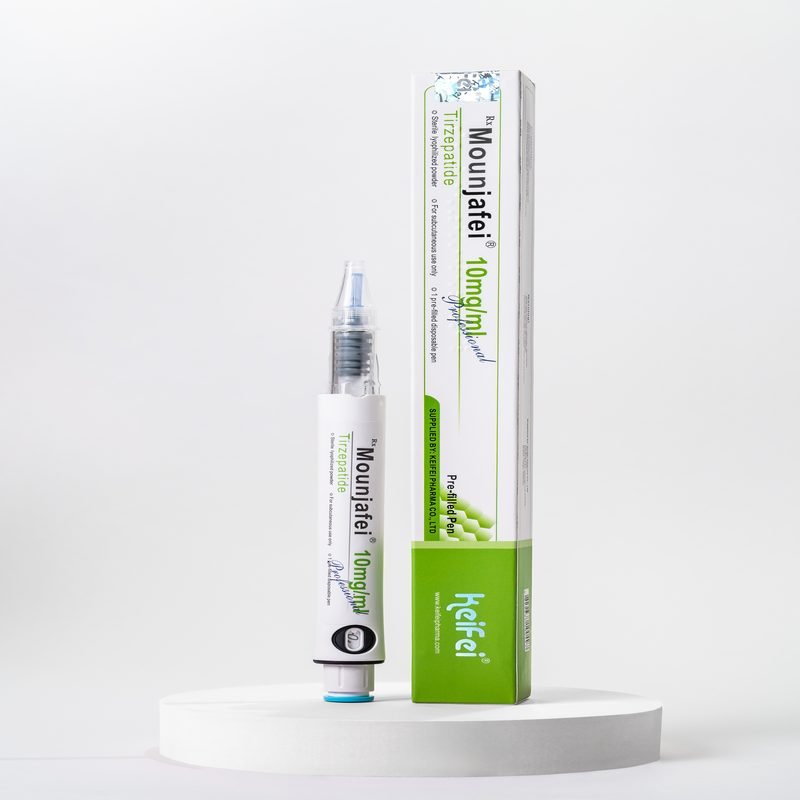
Tirzepatide is a once-weekly subcutaneous injectable peptide that requires careful, gradual dose titration to achieve optimal results while minimizing gastrointestinal side effects. Unlike many peptides that are administered at a fixed dose, Tirzepatide follows a structured escalation protocol — starting at 2.5mg and increasing by 2.5mg every 4 weeks until reaching one of three maintenance doses: 5mg, 10mg, or 15mg.
This flexibility in maintenance dosing is a key advantage over Semaglutide (Wegovy/Ozempic), which has only a single maintenance dose of 2.4mg. With three options, researchers can select the dose that provides the best balance of efficacy and tolerability for their specific protocol. The SURMOUNT clinical trial program demonstrated dose-dependent weight loss: 16.0% at 5mg, 21.4% at 10mg, and 22.5% at 15mg over 72 weeks.
Week-by-Week Titration Schedule
| Week | Dose | Status | SURMOUNT-1 Weight Loss |
|---|---|---|---|
| Weeks 1-4 | 2.5 mg | Starting dose (titration only) | — |
| Weeks 5-8 | 5 mg | Maintenance Dose Option 1 | -16.0% body weight |
| Weeks 9-12 | 7.5 mg | Titration step | — |
| Weeks 13-16 | 10 mg | Maintenance Dose Option 2 | -21.4% body weight |
| Weeks 17-20 | 12.5 mg | Titration step | — |
| Week 21+ | 15 mg | Maintenance Dose Option 3 (maximum) | -22.5% body weight |
Key principle: The 2.5mg starting dose is NOT a maintenance dose. It exists solely to allow the body to adjust to GLP-1/GIP receptor activation. Do not remain at 2.5mg expecting significant results — always escalate to at least 5mg.
Choosing Your Maintenance Dose
5mg Maintenance — The Conservative Choice
In SURMOUNT-1, 5mg achieved 16.0% body weight reduction over 72 weeks, with 85% of participants reaching at least 5% weight loss. This dose has the mildest side effect profile and is suitable when moderate weight loss is the research objective or when GI tolerability is a primary concern. If results plateau at 5mg, escalation to 10mg can be attempted after maintaining 5mg for at least 4 weeks.
10mg Maintenance — The Balanced Choice
The 10mg dose achieved 21.4% body weight reduction, with 89% reaching 5% loss and 50% reaching 20% or greater. This middle dose offers a strong efficacy-to-tolerability ratio. Most GI side effects that emerged during titration have typically resolved by week 12-16. This is the most commonly selected maintenance dose in clinical practice.
15mg Maintenance — Maximum Efficacy
At 15mg, SURMOUNT-1 recorded 22.5% body weight reduction, with 91% reaching 5% loss and 57% reaching 20% or greater. The incremental benefit from 10mg to 15mg is modest (22.5% vs 21.4%), so the decision to escalate should weigh additional efficacy against increased side effect potential. Hair loss was reported in 5.7% of participants at the 15mg dose.
Side Effect Management During Titration
Common GI Side Effects (Most Frequent During Dose Changes)
- Nausea (12-18%): The most reported side effect. Usually mild-to-moderate and peaks in the first 1-2 weeks after each dose increase. Eating smaller meals, avoiding greasy foods, and staying upright after eating helps significantly.
- Diarrhea (12-17%): Often transient. Stay hydrated with electrolyte-rich fluids. Avoid high-fiber foods during the first week of a new dose.
- Constipation (6-11%): The GLP-1-mediated slowing of gastric emptying can cause constipation. Increase water intake to 2-3 liters daily. Consider fiber supplementation if persistent.
- Vomiting (5-9%): Less common than nausea. Eating small, bland meals and avoiding lying down after eating reduces risk. If vomiting is persistent, consider extending the current dose phase before escalating.
- Decreased appetite: This is actually the therapeutic mechanism — GLP-1/GIP receptor activation reduces appetite via hypothalamic signaling. It becomes a concern only if caloric intake drops to nutritionally inadequate levels.
Practical Side Effect Management Tips
- Eat smaller, more frequent meals — 4-5 small meals instead of 2-3 large ones reduces the burden on slowed gastric emptying.
- Avoid high-fat and fried foods — Fat delays gastric emptying further, compounding the GLP-1-mediated delay and increasing nausea.
- Stay well hydrated — At least 2 liters of water daily. Reduced food intake means less water from food sources.
- Eat slowly and mindfully — Fast eating overwhelms slowed gastric processing and triggers nausea.
- Ginger supplements — Ginger has established antiemetic properties and can reduce nausea during titration.
- Protein priority — With reduced appetite, ensure adequate protein intake (1.2-1.6g per kg body weight) to preserve lean mass during weight loss.
- Slow down titration if needed — There is no clinical penalty for staying at a dose level for 6-8 weeks instead of 4 if side effects are persistent. Slow titration often improves long-term adherence.
Reconstitution Math for Tirzepatide Vials
Tirzepatide 20mg Vial
Add 2 mL bacteriostatic water. Concentration = 10mg/mL = 10,000 mcg/mL.
- 2.5mg dose = 0.25 mL = 25 units on U-100 syringe (8 doses per vial)
- 5mg dose = 0.5 mL = 50 units (4 doses per vial)
- 10mg dose = 1.0 mL = 100 units (2 doses per vial)
Tirzepatide 40mg Vial
Add 2 mL bacteriostatic water. Concentration = 20mg/mL = 20,000 mcg/mL.
- 2.5mg dose = 0.125 mL = 12.5 units (16 doses per vial)
- 5mg dose = 0.25 mL = 25 units (8 doses per vial)
- 10mg dose = 0.5 mL = 50 units (4 doses per vial)
- 15mg dose = 0.75 mL = 75 units (2.67 doses per vial)
Tirzepatide vs Semaglutide: Key Differences
The SURMOUNT-5 head-to-head trial definitively compared Tirzepatide to Semaglutide over 72 weeks. Tirzepatide achieved 20.2% body weight reduction versus 13.7% for Semaglutide — a 47% greater relative weight loss (P<0.001). Tirzepatide's dual GIP/GLP-1 mechanism provides advantages that single-receptor GLP-1 agonists cannot match. The GIP receptor activation synergistically amplifies weight reduction, improves beta-cell function, and enhances lipid metabolism beyond what GLP-1 alone achieves.
Additionally, Tirzepatide's three maintenance dose options provide significantly more flexibility than Semaglutide's single 2.4mg maintenance dose. More Semaglutide patients discontinued treatment due to side effects, and vomiting was more common in the Semaglutide group, while injection site reactions were more common with Tirzepatide.
Important Contraindications
- Personal or family history of medullary thyroid carcinoma (MTC)
- Multiple Endocrine Neoplasia syndrome type 2 (MEN 2)
- Known hypersensitivity to Tirzepatide
- Pregnancy and breastfeeding (discontinue at least 2 months before planned pregnancy due to long half-life)
- History of pancreatitis (use with extreme caution)
- Severe gastrointestinal disease